Do vitamins help hair grow?
Mainly if you lack one. Fixing low iron, zinc or biotin may help. If you’re not low, the proof is thin. And too much of two common ones can make hair fall out.
On this page
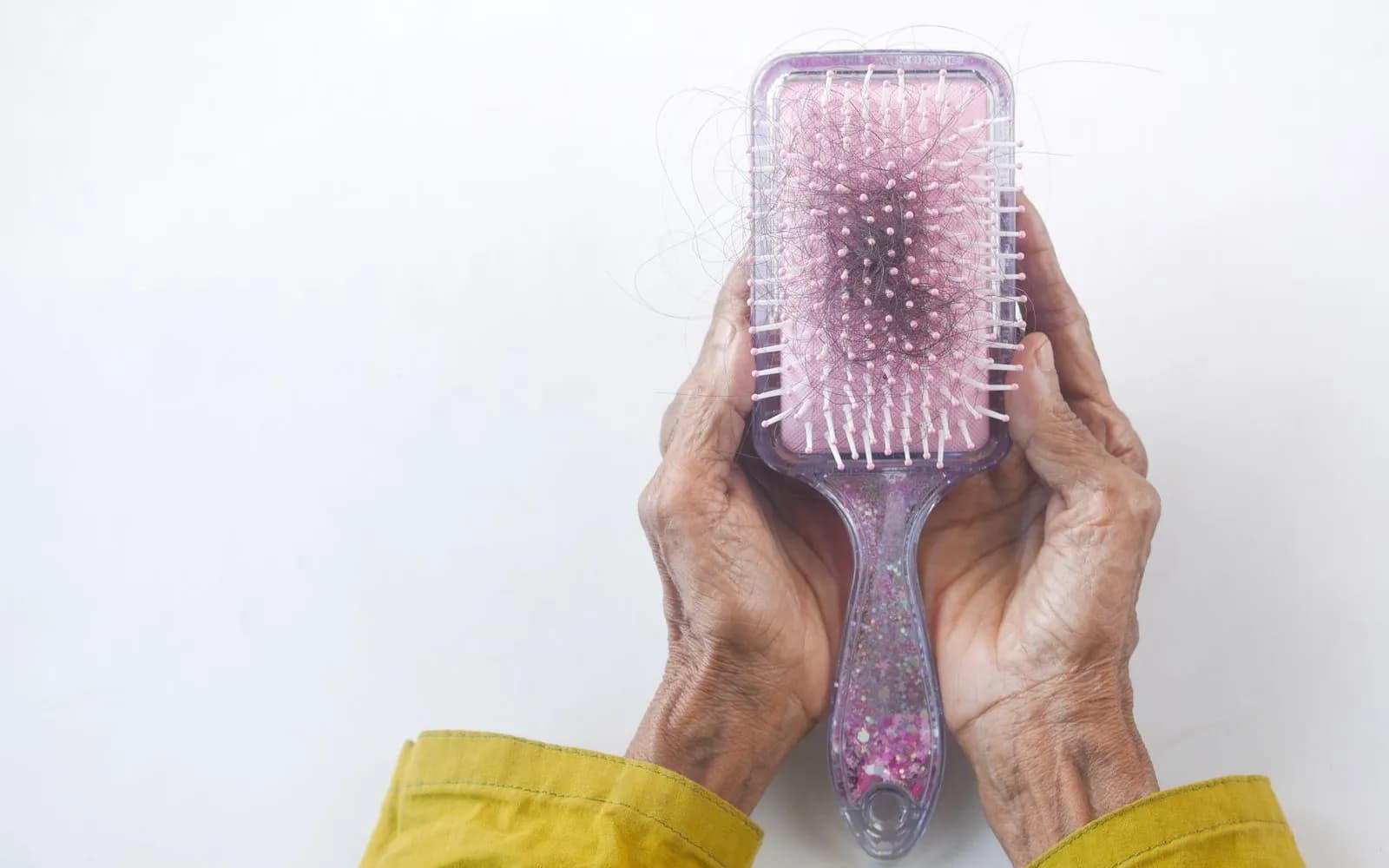
Do vitamins help hair growth?
Mainly when you’re short of one. The NHS lists iron deficiency as a cause of hair loss that may be temporary. And in people who lack zinc, hair regrew once they took zinc.
Think of a vitamin as fuel. An empty tank stops the car, so filling it helps. Topping up a full tank isn’t proven to make it go faster.
| Vitamin or mineral | What it does for hair | NHS daily guide |
|---|---|---|
| Iron | Low iron can cause hair loss. A few trials found some benefit from fixing it, but the proof is thin. | 17mg or less from supplements is unlikely to harm. Take more only if a GP advises. |
| Zinc | A lack causes hair loss. Hair regrew once zinc was topped up. | No more than 25mg from supplements, unless a doctor advises it. |
| Biotin | A lack causes hair loss. No proof that extra biotin helps hair grow. | 0.9mg or less from supplements is unlikely to harm. |
| Vitamin D | One review says take it if low, for patchy hair loss. Weak proof otherwise. | Adults need 10 micrograms a day. Consider it in autumn and winter. |
| Selenium | Too much can make hair and nails fall out. | 350 micrograms or less from supplements is unlikely to harm. |
| Vitamin A | Too much causes hair loss. | No more than 1.5mg a day from food and supplements, for your bones. |
Sources: NHS iron; NHS zinc and selenium; NHS biotin; NHS vitamin D; NHS vitamin A; Almohanna 2019; Drake 2023
So don’t ask which vitamin. Ask if you’re low in one. A GP can check for iron deficiency anaemia (too few red blood cells because you’re low in iron) with a blood test.
If your hair is thinning, ask your GP whether an iron test is worth it before you buy anything.
Do hair growth supplements and pills work?
Some may, but the proof is early. One big review checked 30 studies of supplements in people with hair loss and no known lack of a nutrient.
The best studies showed possible benefit from a few products, including zinc and pumpkin seed oil. Vitamin D had low-quality evidence. Side effects were rare and mild.
Source: Drake 2023
In a randomised trial, chance decides who gets the supplement. That makes it a fairer test.
Keratin pills? The trials we found looked at shine, or at mixes of many ingredients. None tested keratin on its own for hair growth.
Many hair, skin and nail products hold far more biotin than you need. In 18 reported cases where biotin helped hair or nails, every person had an underlying cause. Before you pay, check the label against the table above.
What are the best vitamins for thinning hair?
The one you’re low in. So find the cause first.
Hair loss from a medical condition usually stops or grows back once you’ve recovered.
Find the cause before you buy
- 1
Count the loss
50 to 100 hairs a day is normal.
- 2
See a GP
They may tell the cause just by looking at your hair.
- 3
Blood test
A GP may do one to check for iron deficiency anaemia.
- 4
Fix what’s low
Take what your GP advises, even if it’s more than 17mg of iron.
Sources: NHS hair loss; NHS anaemia; NHS iron
Low iron is the one to rule out. Common signs of iron deficiency anaemia are tiredness, shortness of breath, a heartbeat you can feel, paler skin and headaches. More hair in your brush is a less common sign.
Heavy periods raise your risk. The NHS says you may need iron supplements and should speak to a GP.
Taking biotin? Tell whoever takes your blood, as it can skew some lab tests. Our hair loss blood test guide covers what to ask for, and our ferritin guide explains your iron result.
Can too many vitamins cause hair loss?
Yes. The two to watch are selenium and vitamin A.
Too much selenium causes selenosis, which at its mildest can make hair and nails fall out. Brazil nuts are high in selenium, so count them too.
Too much vitamin A causes hair loss. The NHS says many multivitamins contain it, and fish liver oil is high in it.
Zinc has a limit too. High doses cut how much copper you absorb, which can lead to anaemia and weaker bones.
Before you buy hair vitamins
- Keep biotin from supplements to 0.9mg a day or less. The NHS says that’s unlikely to harm.
- Don’t take more than 25mg of zinc from supplements a day, unless a doctor advises it.
- Keep selenium from supplements to 350 micrograms a day or less. The NHS says that’s unlikely to harm.
- Add up vitamin A across every product. Keep food and supplements to no more than 1.5mg a day.
- If you eat liver every week, don’t take supplements that contain vitamin A.
- Tell whoever takes your blood that you take biotin.
Sources: NHS; NHS biotin; NHS vitamin A; Almohanna 2019
Already lost hair on a supplement? See hair loss from vitamins. For doses, see our zinc dosage and biotin guides.
Do hair vitamins work for men?
There’s little proof they help the usual kind of male hair loss. Pattern baldness is permanent and usually runs in the family.
The NHS names finasteride (a tablet) and minoxidil (a lotion or foam) as the main treatments for male pattern baldness. Women can use minoxidil but should not use finasteride. They don’t work for everyone, and only work for as long as you use them.
Never stop or change a prescribed medicine without your prescriber.
Our hair loss products guide covers what each one can do. Thinning around menopause? See perimenopause hair loss.
When to speak to a GP
Most hair loss does not need treatment. It’s either temporary or a normal part of getting older. See a GP if:
- You’re worried about your hair loss, or it’s affecting your wellbeing.
- You’re thinking of paying a hair clinic. The NHS says to see a GP about the cause first.
- You also feel tired, short of breath or paler, or have headaches or a heartbeat you can feel. These can be signs of iron deficiency anaemia.
- You have heavy periods. You’re at higher risk of iron deficiency anaemia and may need iron supplements.
At the appointment, ask what treatments are available. Bring the labels of any supplements you take.