Best fruits for weight loss
Berries, apples and pears. In a study of 133,000 adults, eating more was most strongly linked to less weight gain. But turn the same apple into juice and it won’t fill you the same way.
On this page
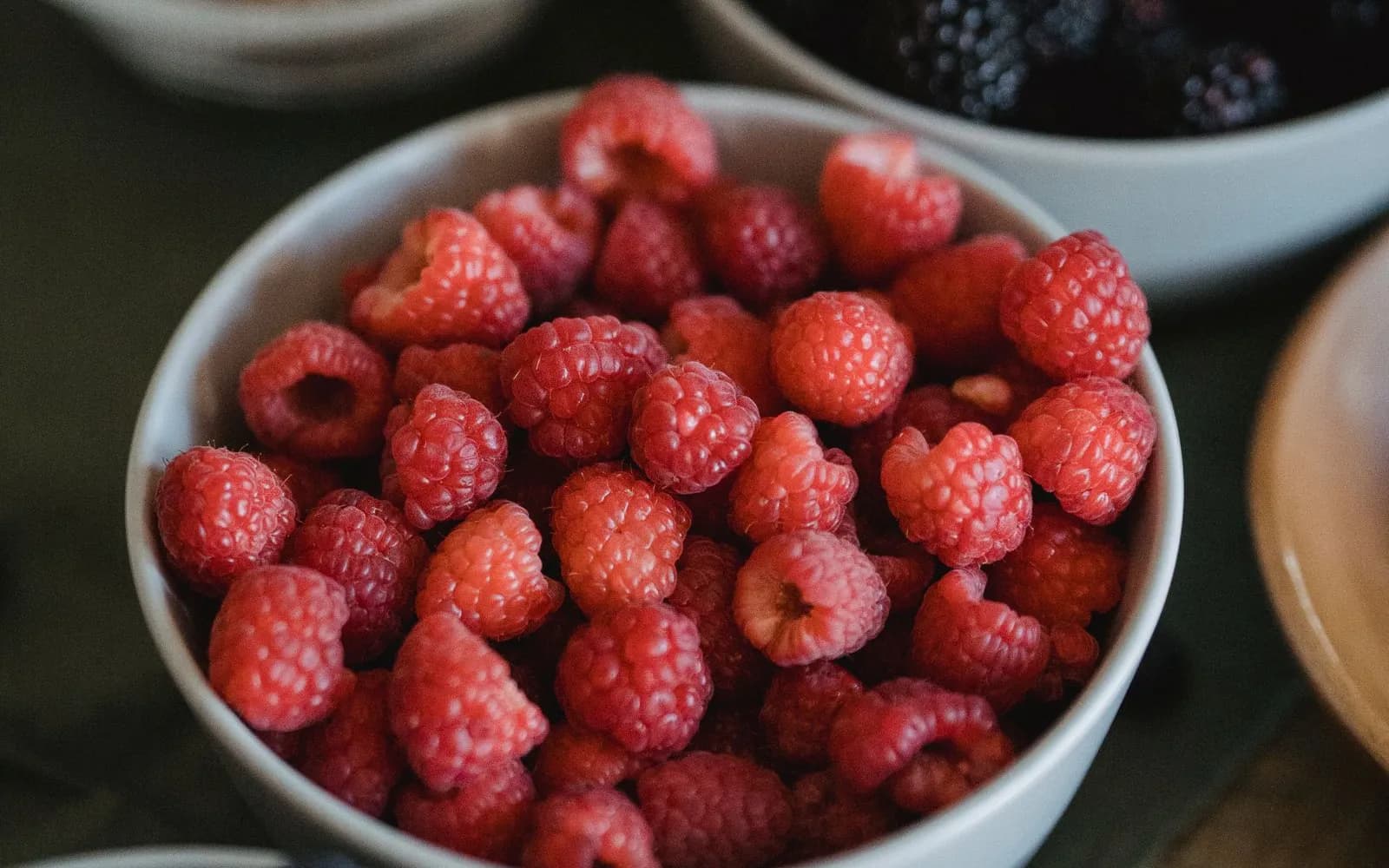
What are the best fruits to eat for weight loss?
Berries, apples and pears. A US study followed 133,468 adults for up to 24 years and checked how their weight changed as their diet changed.
More fruit of any kind went with less weight. The link was strongest for berries and for apples and pears. Blueberries, strawberries, raisins and grapes, prunes and grapefruit were also linked.
Sources: Bertoia 2015; Full paper
Half a kilo over 4 years is small. But it’s linked to one easy change, not a whole new diet.
This kind of study shows a link, not proof. The authors say other factors can’t be ruled out, and nearly everyone was a well-educated white adult.
So start with the fruit you’ll actually eat. Add one portion of apples, pears or berries a day.
Which fruits are lowest in calories?
Melon, strawberries and grapefruit. An adult portion of fruit is 80g, and most fresh fruit gives under 70 calories for that.
| Fruit | One portion looks like | Calories |
|---|---|---|
| Melon | 1 slice, 5cm thick | 19 |
| Strawberries | 7 strawberries | 24 |
| Grapefruit | Half a grapefruit | 27 |
| Blueberries | 2 handfuls, frozen | 32 |
| Plums | 2 plums | 33 |
| Satsumas | 2 satsumas | 33 |
| Pear | 1 pear | 34 |
| Kiwi | 2 kiwi fruit | 35 |
| Mango | 2 slices, 5cm thick | 38 |
| Apple | 1 apple | 41 |
| Cherries | 14 cherries | 51 |
| Banana | 1 banana | 65 |
| Raisins | 1 heaped tablespoon (30g) | 77 |
Sources: NHS portion sizes; UK government CoFID
A banana isn’t a bad choice. The NHS suggests you swap crisps and chocolate for fruit, and any fruit works for that.
Avocado is the odd one out. It’s a fruit, but 80g gives 137 calories. Enjoy it, just count it.
Calories still count, even from healthy food. The NHS says too many can make you gain weight. See how many calories to lose weight.
Is fruit juice or dried fruit good for weight loss?
Not as good as whole fruit. The NHS says juice and smoothies do not fill you up in the same way as whole fruit.
A US lab study tested this. 58 adults had an apple, apple sauce or apple juice before lunch, each with the same 125 calories.
The whole apple filled people most. With the apple counted in, they ate 15% fewer calories at lunch than with no apple. That’s the whole-fruit difference.
| Kind | One portion | NHS tip |
|---|---|---|
| Fresh | 80g | Eat it whole. |
| Frozen | 80g | Counts the same as fresh. |
| Tinned | 80g | Choose fruit in juice, not syrup. |
| Dried | 30g | Eat it at mealtimes, not as a snack. |
| Juice or smoothie | 150ml, counts once a day at most | No more than 150ml a day in total. |
Sources: NHS: what counts; NHS portion sizes
Sugar in whole fruit doesn’t count as free sugar, the kind to cut. Sugar in juice and smoothies does. See how much sugar per day.
Dried fruit can be high in sugar and bad for your teeth. Peaches tinned in syrup have 55 calories per 100g, against 39 in juice. Read the tin.
How do I eat fruit to lose weight?
Use fruit to replace higher-calorie food, not to add to it. The NHS suggests cutting around 600 calories a day, with about 100 from snacks.
Six ways to make fruit work for weight loss
- Swap crisps and chocolate for fruit.
- Eat a piece of whole fruit at the start of a meal.
- Keep juice and smoothies to 150ml a day in total, with a meal.
- Keep dried fruit to about 30g, at mealtimes.
- Choose tinned fruit in juice, not syrup.
- Aim for at least 5 portions of fruit and veg a day.
Sources: NHS; NHS 5 A Day; Flood-Obbagy 2009
Five a day means 5 portions of fruit and veg in total, not 5 of each. Keep fruit where you can see it and the biscuits out of sight.
For more ideas, see healthy snacks for weight loss, healthy sweet snacks and low calorie filling foods.
When to speak to a GP
Speak to a GP or healthcare professional if:
- You have a medical condition, a special diet for your health, or an eating disorder now or in the past. Talk to them before you change how you eat.
- Your BMI (your weight measured against your height) is overweight or obese and you want help to lose weight, or your waist is also more than half your height.
- Your BMI is overweight or obese and you have pre-diabetes (blood sugar higher than normal but not yet diabetes), diabetes, high blood pressure, joint pain, high cholesterol, sleep apnoea, heart or circulation disease, or obesity in your family.
- You have, or think you may have, an eating disorder such as binge eating.
- You keep losing weight without changing your diet or exercise.
Sleep apnoea is when your breathing stops and starts while you sleep.