How do I find a drink with no caffeine?
Read the ingredients, not the front. A drink can hold caffeine with no warning, if it’s 150 mg a litre or less. And one plant on the list can add caffeine without the word caffeine.
On this page
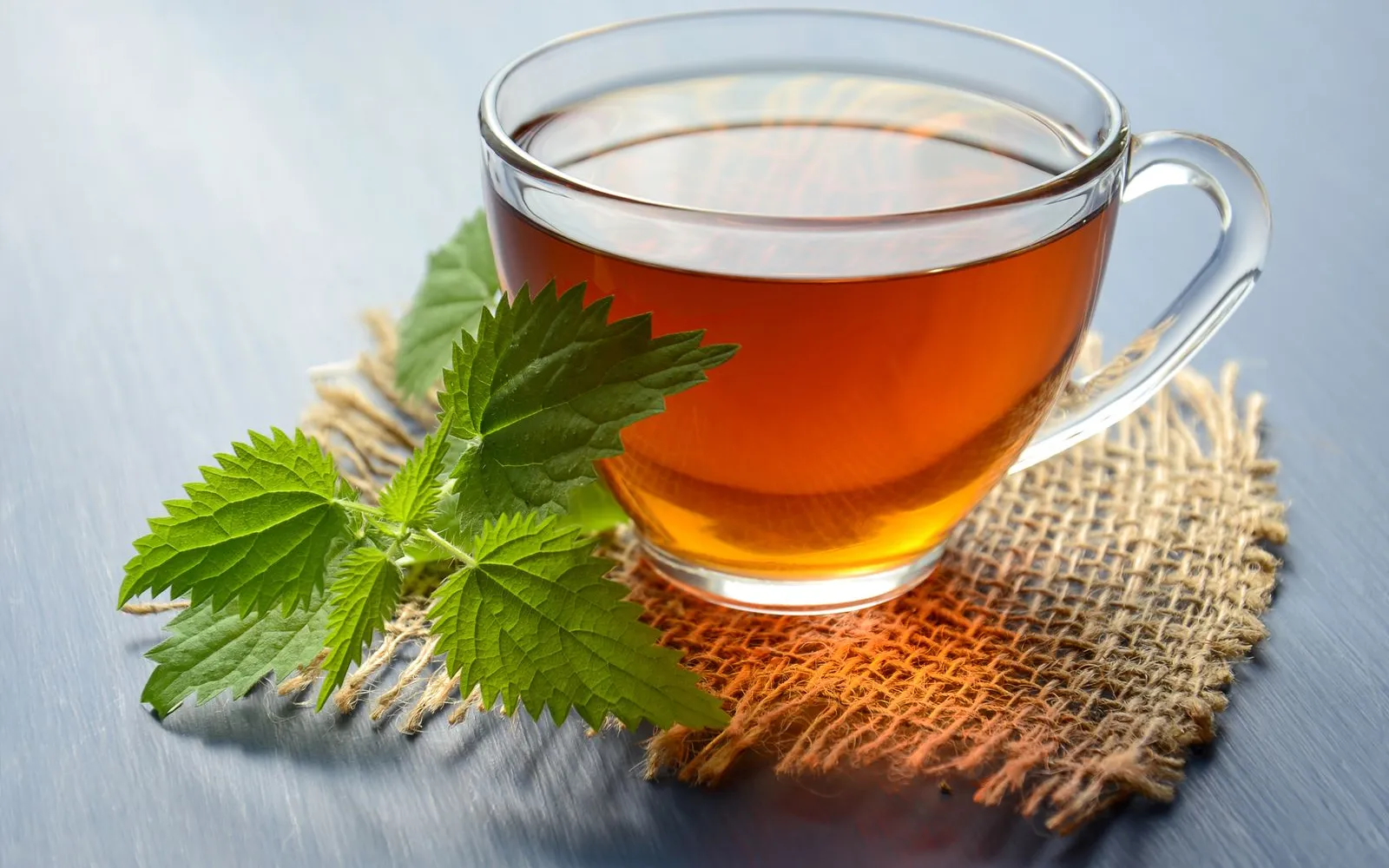
Are there energy drinks without caffeine?
Some drinks sold for energy have none. But the name won’t tell you. On a food label, “energy” is the calorie line on the nutrition panel.
So “energy” on a caffeine-free drink can just mean calories, which may come from sugar. Energy drinks can contain high levels of sugar, though sugar-free ones exist.
Many drinks have no caffeine at all. Here’s where common ones sit.
| Drink | Caffeine | Good to know |
|---|---|---|
| Herbal tea | None found | In a US lab test of shop-bought teas. |
| Rooibos tea | None | Naturally caffeine-free. |
| Decaf tea | Under 12 mg a cup | Low, not zero. |
| Decaf coffee, about 470 ml | 0 to 13.9 mg | US coffee shop test. |
| Can of cola | About 40 mg | The usual soft drink with caffeine. |
| Cup of tea, black or green | About 75 mg | NHS estimate. |
| 250 ml can of energy drink | About 80 mg | NHS estimate. |
| Cup of instant coffee | About 100 mg | Café coffee can hold more. |
Sources: NHS; Chin 2008; McCusker 2006; Pretorius 2023
Water, milk and sparkling water have none either. Your next step: turn the can over and read the ingredients.
How can I tell if a drink has caffeine?
Three checks on the label
- 1
Look for the warning
“High caffeine content” means over 150 mg a litre.
- 2
Find the amount
The caffeine in mg per 100 ml follows the warning.
- 3
Read the ingredients
Look for caffeine, guarana, kola nut, black or green tea, coffee or cocoa.
Sources: UK food labelling law; FSA
The warning only has to appear above 150 mg a litre, and not at all on drinks called coffee or tea. So a 500 ml bottle could hold up to 75 mg, about a cup of tea, with no warning.
That plant from the top of the page is guarana. Its berries contain caffeine, like coffee beans, tea leaves and kola nuts.
The FSA warns that some supplements list guarana but don’t list caffeine. If you see any of these names, treat the drink as caffeinated. For gym powders, see stim-free pre-workout.
Which soft drinks have no caffeine?
Cola is the one to watch, at about 40 mg a can. If none of the names above are on a fizzy drink’s list, you can treat it as caffeine-free.
Caffeine-free isn’t sugar-free. Many fizzy drinks are sugary: a can of cola can have as much as 9 cubes of sugar. Adults should have no more than 30 g of free sugars (added sugar, plus honey, syrups and juice) a day, roughly 7 cubes.
Caffeine-free swaps from NHS drinks advice
- Drink water, or sparkling water with a slice of lemon or lime.
- Choose no added sugar squash, and dilute it well.
- If you miss fizzy drinks, try sparkling water or no added sugar squash.
- Have lower-fat milk, such as semi-skimmed, 1% or skimmed.
- Keep fruit juice and smoothies to one small glass (150 ml) a day, with a meal.
Sources: NHS: water and drinks; NHS: sugar
Diet drinks still aren’t ideal for teeth. Even sugar-free fizzy drinks can wear tooth enamel because they’re acidic. More on sugar in how much sugar a day.
Hot drinks and coffee without caffeine
For a hot drink with none, try herbal tea, rooibos or hot milk. In one US test, no caffeine was found in herbal teas.
Hot chocolate isn’t caffeine-free. Cocoa beans contain caffeine, though a 50 g bar of milk chocolate has less than 10 mg.
Decaf is low, not zero. Decaf from 10 US coffee shops held 0 to 13.9 mg in a cup of about 470 ml. Decaf teas held under 12 mg a cup.
Pregnant? The NHS says to have no more than 4 cups of herbal tea a day, and to avoid teas with liquorice root.
Swapping your evening tea or coffee? For better sleep, the NHS advises none for at least 6 hours before bed. See when to stop caffeine for sleep and caffeine in coffee.
What counts as a low caffeine energy drink?
Go by the milligrams, not the word “low”. Multiply the mg per 100 ml by the size of the can, then divide by 100.
- Below 100 mgUnder 100 mg.
- 100 up to 200 mgEFSA: may affect sleep in some adults, mainly near bedtime.
- Above 200 mgOver the 200 mg single dose EFSA calls safe for healthy adults.
Source: EFSA
For the whole day, most healthy adults are unlikely to have problems on up to 400 mg from all sources. If you’re pregnant, the NHS says no more than 200 mg a day.
Cutting back from a daily habit? Do it gradually. Caffeine withdrawal isn’t considered dangerous, but it can be unpleasant.
Reaching for energy drinks because you’re always tired? See what causes low energy.
When to speak to a GP
Caffeine is a common cause of heart palpitations, when your heartbeat becomes more noticeable. Cutting it can help if they’re not caused by a health condition. See a GP if:
- You’ve had palpitations and feel well, but they keep coming back or happen more often.
- You’ve had palpitations that last longer than a few minutes, or you have a heart condition or a family history of heart problems.
- Changing your sleep habits, including caffeine, hasn’t helped your sleep problems (insomnia), or you’ve had trouble sleeping for months.
- Call 999 or go to A&E if palpitations don’t go away, or come with chest pain, shortness of breath, or feeling faint or fainting.
If those symptoms have stopped, ask your GP surgery for an urgent appointment or call 111. More in heart palpitations.