High blood sugar levels: what is too high?
With diabetes, over 7 mmol/L before eating or over 11 at least 90 minutes after. Without it, fasting 5.5 or more is above normal. For 999, the NHS goes by signs and ketones.
On this page
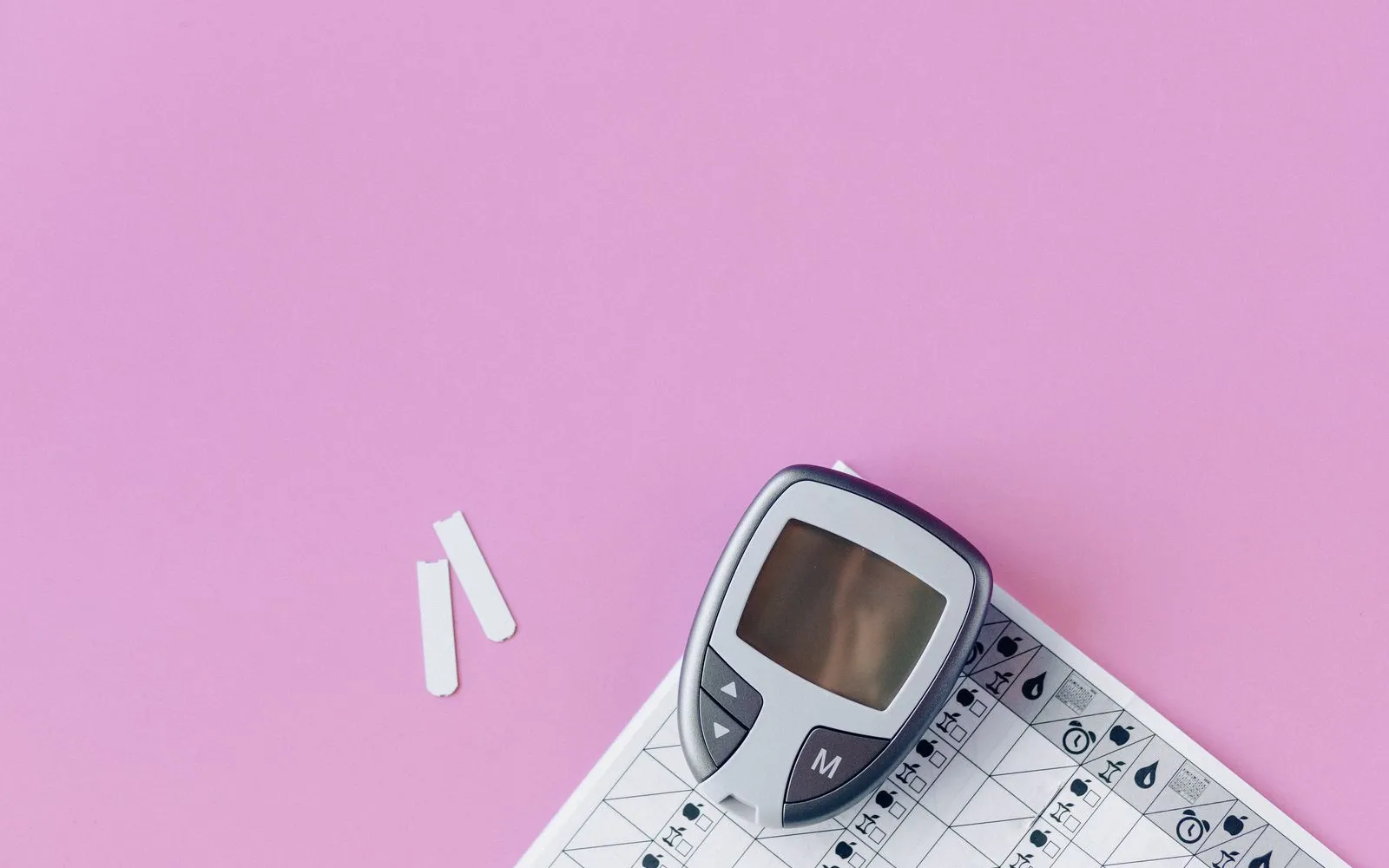
What is a high blood sugar level?
With diabetes, the NHS says a home reading over 7 mmol/L before eating is high. So is over 11 at least 90 minutes after a meal.
These are a guide. Your levels may be different for your age and type of diabetes, so check with your care team.
| Test | High (NHS guide) |
|---|---|
| Home test on waking or before eating | Over 7 mmol/L |
| Home test at least 90 minutes after eating | Over 11 mmol/L |
| Fasting test by a health professional | Over 7 mmol/L |
| HbA1c, your 2 to 3 month average | 48 mmol/mol or over |
Source: NHS
Think of 7 as the line on a car’s temperature gauge. Going a little past it now and then is not usually a serious problem, says the NHS.
Running hot for a long time, or very hot, is what can cause serious problems. Over time it can damage the nerves in your hands and feet and your eyes, and lead to heart disease and stroke.
Ask your care team which levels they want you to stay under.
What does high glucose in a blood test mean?
Without diabetes, the bar is lower. One NHS lab (UH Sussex), using NHS Diabetes Prevention Programme cut-offs, classes a fasting result of 3.0 to 5.4 as normal. Fasting means over 8 hours with only water.
From 5.5 to 6.9 is higher than normal. NICE says that means a high risk of type 2 diabetes.
- Below 5.5 mmol/LNormal.
- 5.5 to just under 7 mmol/LHigher than normal. NICE: high risk of type 2.
- 7 mmol/L or aboveDiabetes range. A second test if you have no symptoms.
Sources: NHS lab (UH Sussex); NICE PH38
At 7.0 or more, the lab counts it as diabetes if you have symptoms. If you don’t, NICE says to do a second blood test.
A random test, taken any time of day, works differently. Over 6.0, the lab advises a fasting test next. A random 11.1 or more, with symptoms, means diabetes.
Ask your GP what your result means and whether you need another test. More in normal blood sugar levels and the HbA1c test.
What are the symptoms of high blood sugar?
Often none at first. Diabetes UK says a slightly high level won’t usually cause symptoms. The NHS says they come on gradually and may only start when it gets very high.
As it rises, you may notice:
- feeling very thirsty
- peeing a lot, especially at night
- feeling weak or more tired than usual
- blurred vision
- losing weight without trying
- headaches or feeling sick
- thrush, or bladder and skin infections that keep coming back
Type 1 diabetes signs come fast, over a few days or weeks. The NHS sums them up as the 4 Ts: toilet, thirsty, tired, thinner.
Got these signs and no diabetes diagnosis? See your GP. The full list is in signs of diabetes.
What causes high blood sugar?
With diabetes, the NHS says common causes are being unwell, stress and too much sugary or starchy food. Being less active than usual and missed doses of diabetes medicine count too.
Steroids, a recent operation or diabetes medicine that isn’t working well can push it up too. Diabetes UK adds over-treating a hypo, a low that you treated with too much sugar.
Six NHS steps for high blood sugar with diabetes
- Take your diabetes medicine as your doctor or care team advised.
- Avoid eating too much sugary or starchy food.
- Find ways to manage stress.
- Exercise regularly.
- Lose weight if you’re overweight.
- When you’re ill, follow your care team’s sick day rules.
Source: NHS: high blood sugar
Water helps you avoid drying out. But once sugar has been high for a while, Diabetes UK says water alone won’t be enough to bring it down.
Never stop or change a prescribed medicine without your prescriber. For food swaps, see how to lower blood sugar naturally.
What blood sugar level is dangerous?
One emergency from very high sugar is diabetic ketoacidosis (DKA). A lack of insulin, the hormone that moves sugar out of your blood, lets harmful ketones build up in the blood.
DKA usually affects type 1, or type 2 if you need insulin. It can also happen before type 1 is diagnosed, particularly in children. Signs usually develop over 24 hours, but can come faster.
The other is hyperosmolar hyperglycaemic state (HHS): very high sugar with serious dehydration. It can happen with type 2, even undiagnosed, and build over many days. By diagnosis, sugar can often be over 40 mmol/L.
| Your blood sugar | Diabetes UK advice |
|---|---|
| Regularly above 10 mmol/L | Contact your diabetes team or GP. |
| Usually above 13 or 14 mmol/L | Check for ketones. On insulin or an SGLT2 medicine with type 2? You may need to check too. Not sure? Ask your team. |
| Stays above 15 mmol/L while you’re ill | Contact your healthcare team. |
Sources: Diabetes UK: hypers; Diabetes UK: HHS
| Ketone test | What the NHS says |
|---|---|
| Blood: under 0.6 mmol/L | Normal. |
| Blood: 0.6 to 1.5 mmol/L | Slightly high. Test again in 2 hours. Feel unwell? Call your care team or 111. |
| Blood: 1.6 to 3 mmol/L | At risk of DKA. Call your care team now or 111. |
| Blood: over 3 mmol/L | You may have DKA. Call 999 or go to A&E. |
| Pee strip: over 2+ | High. Call 999 or go to A&E. |
Source: NHS: DKA
These ketone levels are a guide, so use the ones your care team gives you.
On insulin and it isn’t bringing a high down, even with normal ketones? Call your care team now or 111.
When to speak to a GP
High blood sugar mainly affects people with diabetes. Speak to your GP surgery or care team if:
- You have signs of high blood sugar, like thirst, peeing a lot or losing weight, and no diabetes diagnosis.
- You’ve tried to lower your sugar but it’s still high, or you still have symptoms.
- You have diabetes and your sugar is regularly above 10. Diabetes UK says to contact your team or GP.
- A random lab result is over 6.0. The lab advice is a fasting test next.
Think you or your child has type 1 diabetes? Ask for an urgent GP appointment or call 111. Call 999 if signs get worse quickly, or come with stomach pain, diarrhoea, being sick, sleepiness, confusion or fast, deep breathing.
Call 999 or go to A&E if you think your sugar is high and you feel sick, are being sick or have stomach pain. The same goes if you’re breathing faster or your heart is beating faster than usual.
Also call if you feel drowsy or can’t stay awake, your breath smells fruity like pear drops, or you’re confused or can’t concentrate. Or if you have a high level of ketones in your blood or pee.
Don’t drive yourself to A&E. Ask someone to drive you or call 999, and bring your medicines.
For levels with diabetes, see diabetic blood sugar levels. For the opposite problem, see low blood sugar.