Does Saccharomyces boulardii work?
Yes, for diarrhoea from antibiotics. In 21 trials it cut cases from about 19 in 100 to 9. It’s a yeast, not bacteria. That helps most people but puts a few at risk.
On this page
Does Saccharomyces boulardii work?
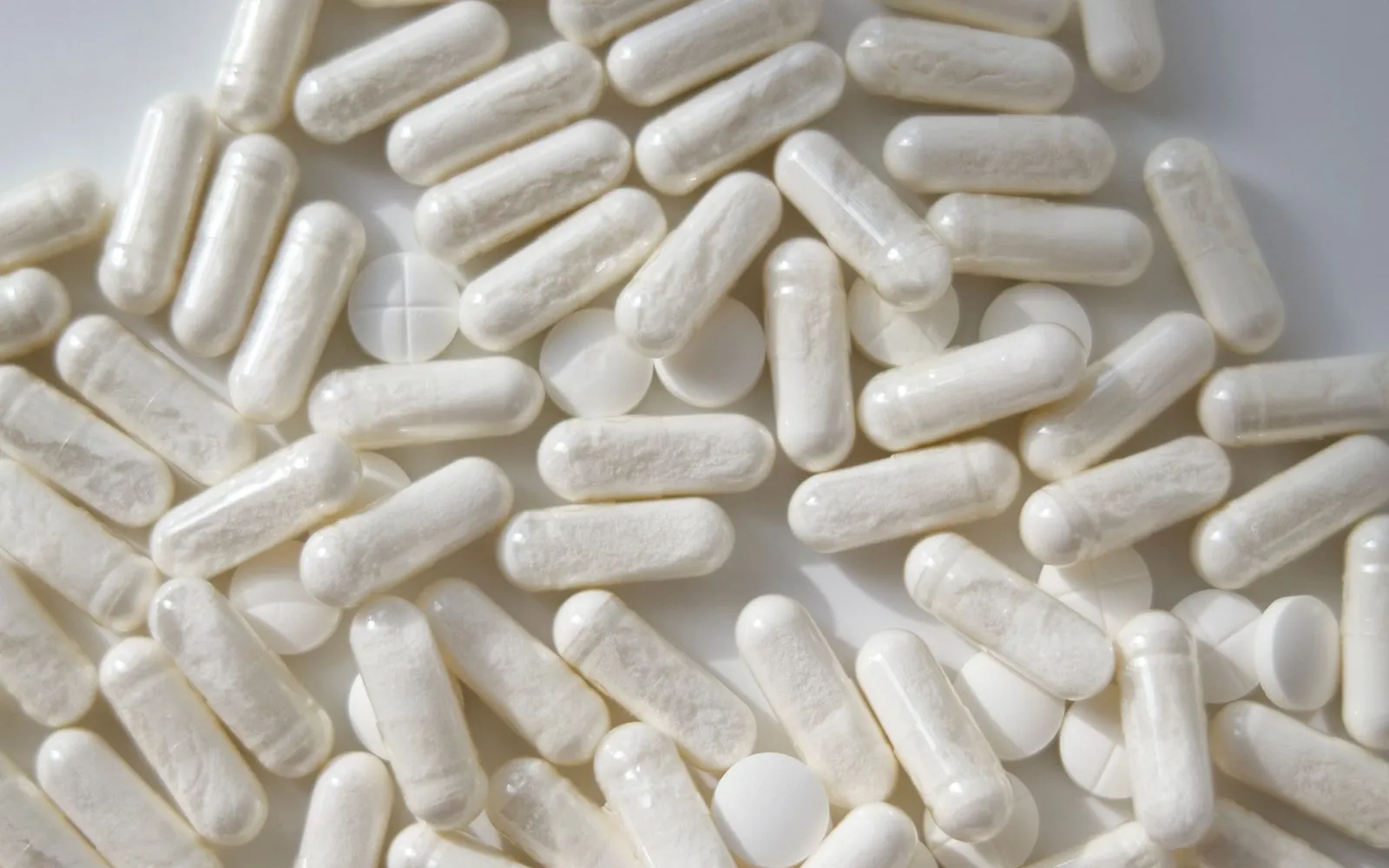
Yes, for one job. Saccharomyces boulardii (S. boulardii) is a yeast sold as a probiotic. The NHS says probiotics are live bacteria and yeasts.
Its best evidence is for diarrhoea caused by antibiotics. A 2015 review pooled 21 trials with 4,780 people. Diarrhoea fell from 18.7% to 8.5%.
Source: Szajewska 2015
Think of it like an umbrella. It cuts your chance of getting wet, but it doesn’t keep everyone dry. About 10 people need to take it for one fewer case of diarrhoea.
So it lowers your odds, but it doesn’t promise a calm gut. Starting antibiotics? Read the next section before you buy.
Should I take S. boulardii with antibiotics?
It’s the use with the most trials. In adults, diarrhoea fell from 17.4% to 8.2%. In children, it fell from 20.9% to 8.8%.
In the trials, people took it alongside their antibiotics. In a Cochrane review of probiotics in children, minor side effects, like rash, sickness, wind, bloating or constipation, happened infrequently.
For children on antibiotics, Cochrane found 5 to 40 billion CFU a day looked most suitable. CFU is the count of live cells.
C. diff, a gut infection that can follow antibiotics, is different. S. boulardii cut it in children (2 trials) but not clearly in adults (9 trials). NICE says not to advise probiotics to prevent C. diff.
Keep taking your antibiotics as prescribed. Never stop or change a prescribed medicine without your prescriber. For other strains, see probiotics and antibiotics.
Why does it matter that it’s a yeast?
Antibiotics kill bacteria. A 2020 review says S. boulardii is naturally resistant to antibiotics, which gives it an edge over bacterial probiotics during a course.
The risk is rare but real: the yeast can get into the blood, which doctors call fungaemia. A 2005 review found 92 published cases of serious infection with this family of yeasts. The most common links were a tube into a vein and antibiotics.
| Situation | Why |
|---|---|
| A weakened immune system | The NHS says to talk to a doctor before any probiotic. |
| An existing health condition | The NHS says to talk to a doctor before any probiotic. |
| In hospital or intensive care | Experts urge caution in very ill people. |
| A tube into a vein, such as a drip line or central line | The most common link in reported cases. |
| Tube or drip feeding | A linked risk in a 2023 review. |
Sources: NHS; Muñoz 2005; Enache-Angoulvant 2005; Vinayagamoorthy 2023
Healthy and at home? The NHS says for most people, probiotics appear to be safe.
Caring for someone in hospital? Ask the ward team before giving them one.
What else is S. boulardii used for?
| Use | What trials found | How sure |
|---|---|---|
| Diarrhoea from antibiotics | 18.7% got it without, 8.5% with (21 trials). | Moderate quality in children. |
| C. diff | Fewer cases in children (2 trials). No clear effect in adults (9 trials). | NICE: don’t advise probiotics to prevent it. |
| Stomach bug in children | Diarrhoea about 1 day shorter (23 trials). | Very low quality. |
| Added to H. pylori treatment | Cleared in 80% against 71%, with less diarrhoea and nausea (11 trials). | Still below the success doctors want. |
| IBS | If you choose to try a probiotic, NICE says take it for at least 4 weeks. | No strain named. |
Sources: Szajewska 2015; ESPGHAN; NICE NG199; Szajewska 2020; Szajewska H. pylori; NICE CG61
H. pylori is a germ that lives in the stomach and is treated with antibiotics. Adding S. boulardii cut diarrhoea from the treatment, but it isn’t a treatment on its own.
For a child’s stomach bug, only one of 29 trials was properly blinded, meaning nobody knew who got the real thing. Fluids come first. The NHS says to drink lots of fluids.
Buying it for bloating, skin or weight? The NHS says there’s little evidence for many probiotic health claims. See probiotics for bloating and do probiotics work.
How to choose an S. boulardii probiotic
Probiotics are sold as food, not medicine. So the NHS says you can’t always be sure a pack holds what the label says, or enough to work.
Before you buy S. boulardii
- Talk to a doctor first if you have a weakened immune system or an existing health condition.
- Pick a product that names its strain, such as CNCM I-745.
- Take it alongside your antibiotics, as people did in the trials.
- Keep taking your antibiotics as prescribed.
- If you choose to try it for IBS, take it for at least 4 weeks at the maker’s dose and watch the effect.
Why the strain? Children’s gut experts only back a probiotic tested in at least 2 trials that name the strain. For the bigger picture, see prebiotics and probiotics.
When to speak to a GP
Ask for an urgent GP appointment or get help from NHS 111 if:
- You have diarrhoea and you’re taking, or have recently taken, antibiotics. This is the NHS C. diff advice.
- You have bloody diarrhoea or bleeding from the bottom.
- You have diarrhoea for more than 7 days.
Call 111 now if you still have signs of dehydration after using rehydration sachets, or keep being sick and can’t keep fluid down.
Call 999 or go to A&E if you have a sudden, severe tummy ache. Do the same if you vomit blood or have vomit that looks like ground coffee.
Have a weakened immune system or an existing health condition? Talk to your doctor before any probiotic.
Ongoing gut trouble? See blood tests for IBS.