Age spots: what are they and how do you fade them?
They’re harmless, and lasers seem to fade them best. Creams do less. But an early skin cancer can pass for an age spot. The clue is a brown patch that slowly grows and darkens.
On this page
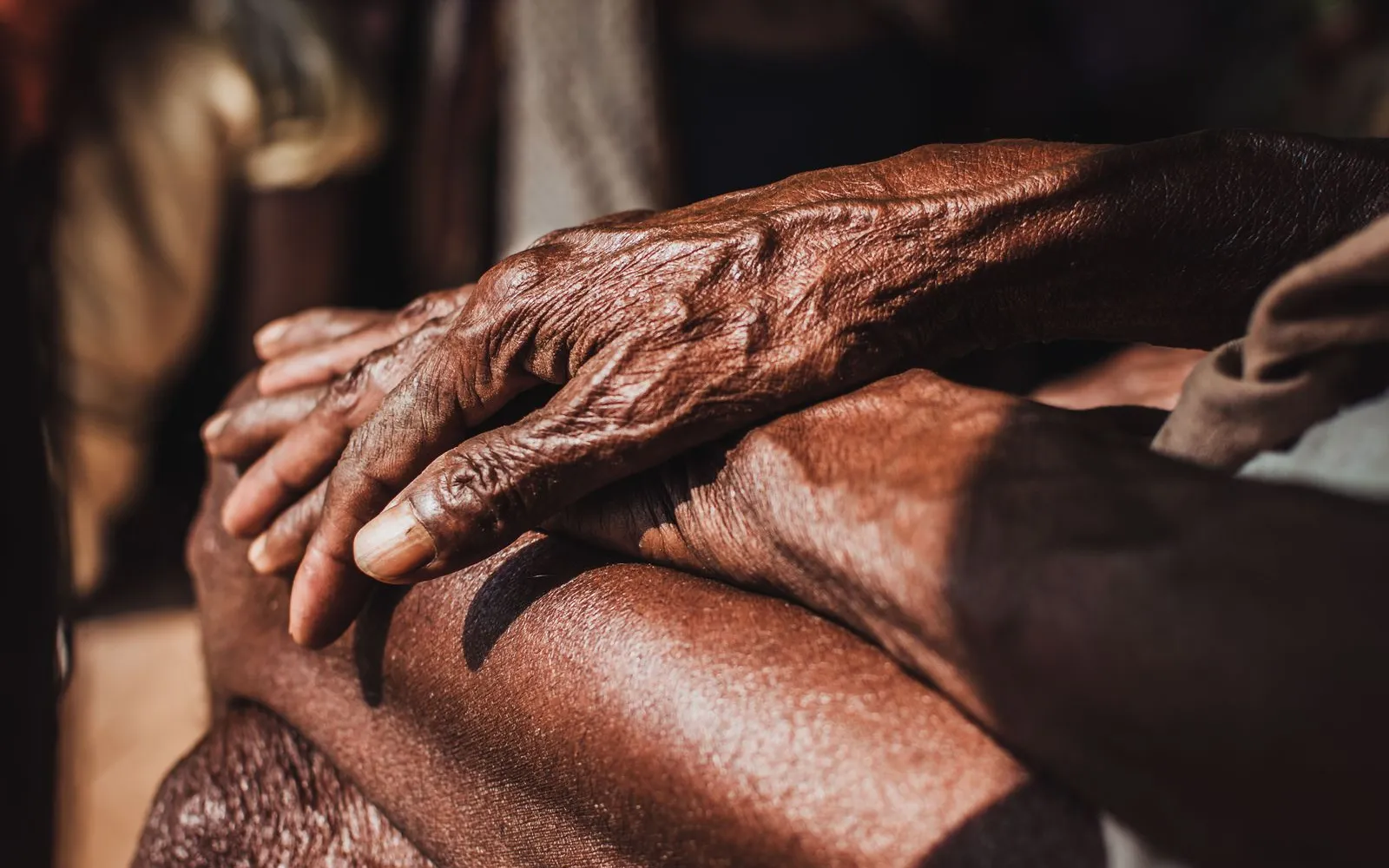
What are age spots and liver spots?
Age spots are flat marks, from tan to dark brown. People also call them liver spots or sun spots. They’re very common and most often not a cause for worry.
They have nothing to do with your liver. Skin doctors say they come from many years of sun on your skin.
That’s why they show up on the face and the backs of the hands. They also appear on the tops of the feet, shoulders and upper back. Darker skin can get them too.
Picture an age spot as a patch of tan that never faded. It’s a mark of past sun. It does not turn into skin cancer and needs no treatment.
| Mark | What it looks like | What to do |
|---|---|---|
| Age spot | Flat and oval. Tan, brown or black. On skin that gets sun. | Nothing, unless you want it faded. |
| Actinic keratosis | Dry, rough patch, like sandpaper. Usually 1cm to 2cm. Skin colour to pink, red or brown. | It’s not usually serious, but there’s a small chance it becomes skin cancer. Show a GP if it changes. |
| Lentigo maligna | A brown patch, often on the face, that slowly grows and gets darker areas. | See a GP promptly. It’s an early stage of melanoma. |
| Melanoma | Uneven shape or edges, 2 or more colours, often more than 6mm wide, or changing. | See a GP. Found early, it can be easier to treat. |
Sources: MedlinePlus; NHS; BAD; NHS
Check your own marks against each row. The NHS suggests a mirror or a friend for places you can’t see.
Is it an age spot or skin cancer?
Age spots are very common. But older people with many age spots on the face or hands are the most likely to get lentigo maligna.
Lentigo maligna is one type of the earliest stage of melanoma, a skin cancer. Surgery can cure it.
The clue is change. It’s a long-standing brown patch that slowly grows and gets darker areas. It can take years.
| Sign | Look for |
|---|---|
| A: Asymmetry | The two halves differ in shape. |
| B: Border | Edges are uneven, blurred or notched. |
| C: Colour | Uneven, with shades of black, brown or pink. |
| D: Diameter | Most melanomas are at least 6mm across. |
| E: Evolving | The mark changes fast. |
Skin doctors say ABCDE works less well for lentigo maligna. So also watch for a mark that’s bigger or darker than your other spots.
Worried about a mark? Skin doctors say see your GP promptly. A dated photo with a ruler next to it can help show any change.
How to remove age spots: what works best?
You don’t have to treat them. If you want them gone, a review of 41 trials in 3,234 people compared the options.
| Treatment | Success in trials | Watch for |
|---|---|---|
| Intense pulsed light (IPL) | 75% to 90% | Less likely to leave darker marks after. |
| Picosecond laser | 68% to 93% | Mild pain, and darker marks after, were most common. |
| Q-switched laser | 36% to 77% | Mild pain, and darker marks after, were most common. |
| Freezing (cryotherapy) | 37% to 71% | Blisters, severe pain and scars were reported. |
| Mequinol and tretinoin cream | 53% to over 80% | Skin irritation. |
| Acid peel (TCA) | 12% to 46% | Mild pain, and darker marks after, were most common. |
Source: Mardani et al 2025
So lasers and light seem to work best. But many trials were small and short, and each one judged success its own way. These trials were only on age spots, not other dark patches on the face.
Spots can come back. After one type of laser, 12.7% returned.
Before any treatment, ask the person doing it to check the mark is an age spot. For other options, see skincare for ageing skin.
Do dark spot creams work?
Some help a little. The best-tested creams mix medicines. Mequinol (a skin-lightening medicine) with tretinoin (a vitamin A medicine) worked in 53% to over 80% of cases in trials.
A mix of hydroquinone (a skin-bleaching medicine), tretinoin and a steroid was about 50% effective. Never stop or change a prescribed medicine without your prescriber.
Shop creams have less proof. In one trial, 10% vitamin C with phytic acid (a plant acid) gave brighter skin than the comparison group.
Skip skin lighteners with hydroquinone, mercury or steroids. Trading Standards says these are banned in the UK in skin lighteners. Hydroquinone can leave a darker, patchier look.
Used one? Stop, and talk to your doctor about any skin damage. For vitamin A creams, see retinol for beginners and retinol vs tretinoin.
How to stop new age spots
Age spots come from years of sun. These NHS steps protect your skin from it.
Six NHS sun steps for your face and hands
- Stay in the shade from 11am to 3pm, March to October.
- Use sunscreen of at least SPF 30 with at least 4-star UVA protection.
- Use enough: about 6 to 8 teaspoons to cover an adult’s whole body.
- Reapply every 2 hours, and after swimming or towel drying.
- Cover your arms and legs, and wear a wide-brimmed hat and sunglasses.
- Don’t use sunbeds or sunlamps.
Sources: NHS: sunscreen and sun safety; NHS: melanoma causes
Sunscreen may help old spots too. In one small study, 32 people put SPF 30 on their face daily for a year. Patchy colour was among the most improved signs, by 40% to 52%.
That study had no comparison group, and a sunscreen maker ran it. More on sunscreen and skin ageing and mineral vs chemical sunscreen.
Always cover up outdoors? The NHS says consider 10 micrograms of vitamin D a day. See vitamin D levels.
When to speak to a GP
Age spots don’t need a GP. A mark that changes does. See a GP if:
- A mole has changed size, shape or colour, or is painful, itchy, inflamed, bleeding or crusty.
- You have a new or unusual mark that has not gone away after a few weeks, including on your palms or soles.
- You have a dark area under a nail that was not caused by an injury.
- A brown patch, often on your face, is slowly growing or getting darker. Skin doctors say see your doctor promptly.
- A rough, scaly patch bleeds, grows, changes colour, feels tender, turns into a lump, or appears on your lips.
If your GP thinks a mole is melanoma, you should get a specialist appointment within 2 weeks.